Signs Your Sidewalks, Driveways, or Patios Need Resurfacing
Identifying signs your sidewalks, driveways, or patios need resurfacing helps homeowners restore safety and appearance, with local service providers ready to handle the necessary repairs.
Noticing cracks, uneven surfaces, or fading colors on your sidewalks, driveways, or patios can be more than just a cosmetic concern-these signs often indicate underlying wear that may require resurfacing. Property owners in the area who see these issues might find that addressing them promptly helps prevent further damage, enhances curb appeal, and maintains safety for visitors and family alike. Exploring options for resurfacing services can be a practical step toward restoring the functionality and appearance of outdoor surfaces, making it easier to enjoy and protect your property investment.
Understanding the signs that your outdoor surfaces need attention can help property owners decide when to seek professional resurfacing solutions. Local contractors who specialize in sidewalk, driveway, or patio resurfacing are equipped to assess the condition of existing surfaces and recommend appropriate repairs or upgrades. Keep reading to learn more about common indicators that resurfacing may be needed and how experienced service providers can help restore your outdoor spaces to their best condition.
- Sidewalk resurfacing - cracks, uneven surfaces, or trip hazards may indicate the need for sidewalk resurfacing handled by local contractors.
- Driveway resurfacing - visible potholes, fading, or surface deterioration can signal that driveway resurfacing is necessary and best managed by experienced service providers.
- Patio resurfacing - worn, cracked, or stained patios often require resurfacing to restore appearance and safety, with local pros able to assess and address these issues.
- Sidewalk resurfacing - signs like heaving or spalling suggest that sidewalk resurfacing might be needed to improve safety and curb appeal, with local contractors providing solutions.
- Driveway resurfacing - surface cracks or extensive wear may be signs that driveway resurfacing is needed, and local service providers can help restore its condition.
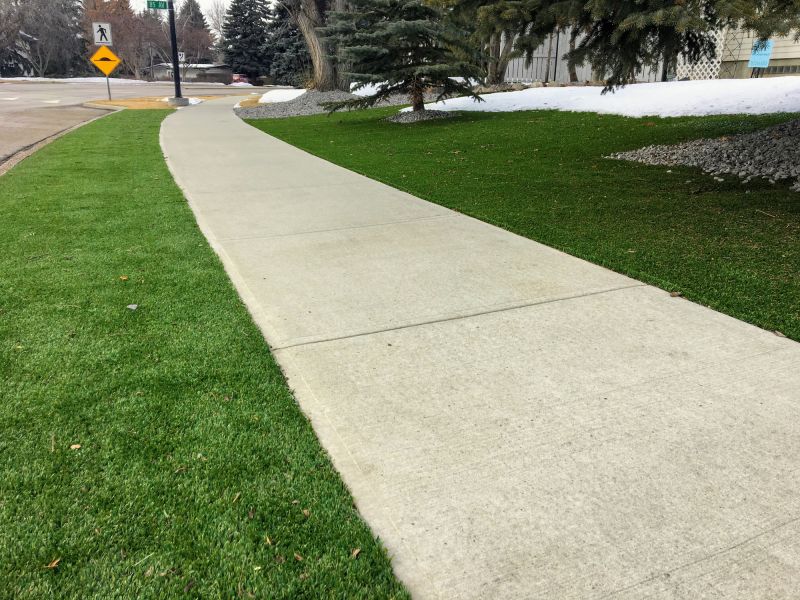
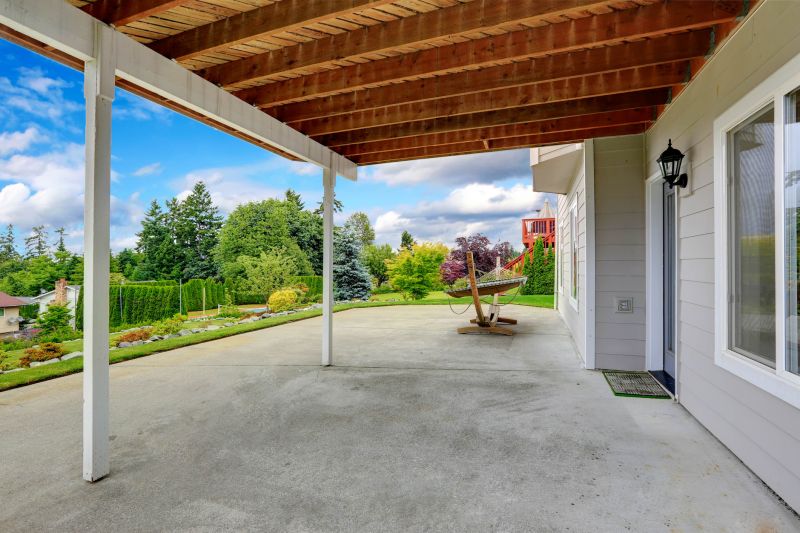
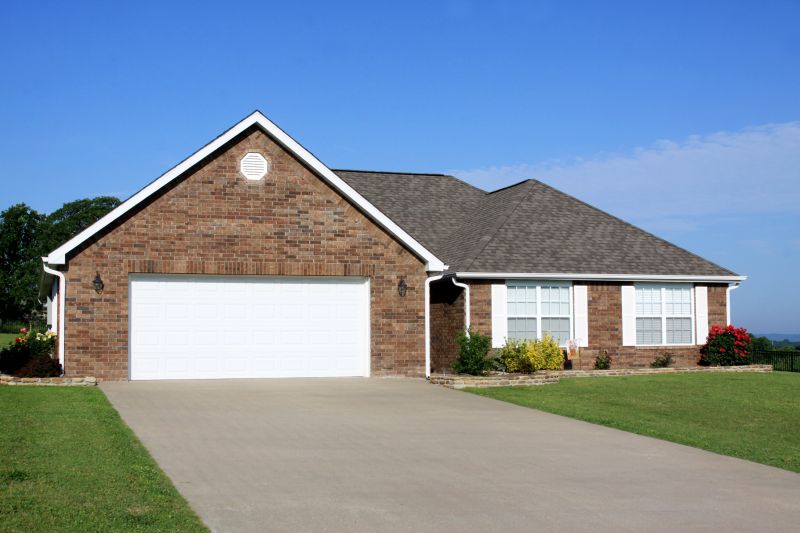
When homeowners search for signs their sidewalks, driveways, or patios need resurfacing, they are often trying to determine whether their outdoor surfaces are still safe, functional, and visually appealing. Over time, exposure to weather, foot traffic, and general wear can cause these surfaces to develop various issues. Recognizing early indicators helps property owners decide if resurfacing is a practical solution to restore their outdoor spaces. This process involves inspecting the surfaces for specific problems that signal the need for professional repair or resurfacing services.
Common problems associated with aging concrete surfaces include cracking, spalling, uneven settling, and surface deterioration. Cracks may start small but can quickly expand, leading to trip hazards or further structural damage if left unaddressed. Spalling, which involves chunks of concrete breaking away, often results from freeze-thaw cycles or corrosion of internal reinforcement. Uneven settling can cause dips or slopes that collect water or create an unstable walking surface. These issues not only compromise safety but can also diminish curb appeal, prompting property owners to consider resurfacing as a way to renew their outdoor areas efficiently.
The types of properties that typically encounter these signs of wear include residential homes, commercial complexes, and community spaces. Residential properties often feature driveways, front walkways, and patios that see frequent use, making them prone to visible damage over time. Commercial properties with high foot traffic or outdoor seating areas may also experience surface degradation that impacts safety and aesthetics. Additionally, multi-unit developments or public parks with extensive paved surfaces are common candidates for resurfacing projects. In any case, recognizing the specific signs of deterioration can help property owners determine whether a resurfacing solution is appropriate for their property’s needs.
Engaging with local service providers who specialize in sidewalk, driveway, or patio resurfacing ensures that property owners receive tailored assessments and professional guidance. These experts can evaluate the extent of damage, recommend suitable resurfacing options, and help plan the necessary repairs to restore the surface’s integrity and appearance. Whether it’s patching cracks, leveling uneven areas, or applying a new overlay, experienced contractors can handle the job efficiently. Understanding the signs that indicate resurfacing is needed allows homeowners to make informed decisions about maintaining their outdoor spaces, ultimately extending the lifespan of their surfaces and enhancing the overall value of their property.
Paving repair projects involve fixing cracks, potholes, and surface damage, similar to resurfacing sidewalks, driveways, or patios to restore their appearance and safety.
Concrete restoration services focus on renewing worn or stained concrete surfaces, utilizing skills and tools comparable to those used in resurfacing outdoor flatwork.
Stamped concrete projects require surface preparation and finishing techniques that align with the processes used in resurfacing existing concrete patios and walkways.
Sealant application services help protect surfaces from weather and wear, complementing resurfacing efforts to extend the lifespan of sidewalks and driveways.
Surface leveling and grading projects involve preparing the ground and surface for proper drainage, which is essential before resurfacing sidewalks, driveways, or patios.
Stone and paver installation shares planning and layout skills with resurfacing projects, especially when replacing or enhancing existing concrete surfaces with decorative elements.
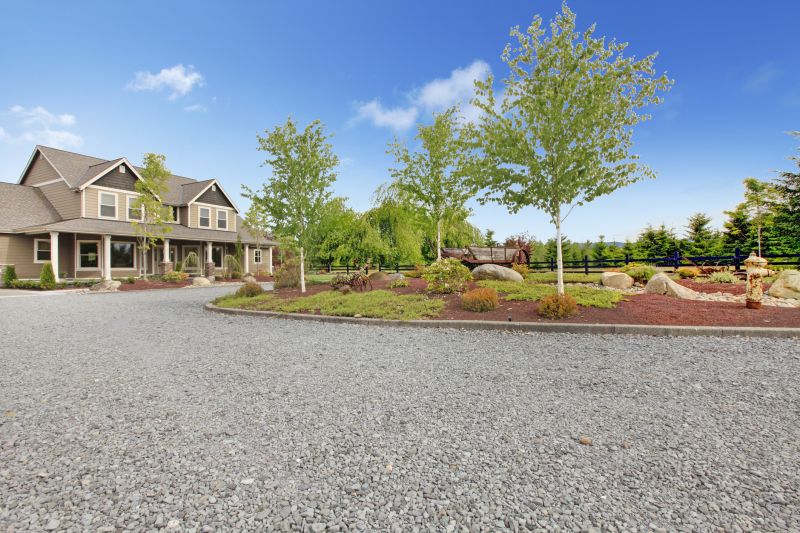
When evaluating service providers for resurfacing sidewalks, driveways, or patios, it’s important to consider their experience with similar projects. Homeowners should inquire about how many resurfacing jobs they have completed that match the scope and materials of their own project. An experienced contractor will be familiar with common issues such as cracking, uneven surfaces, or surface deterioration, and will have practical solutions to address these concerns effectively. This familiarity can help ensure that the chosen contractor understands the specific challenges associated with different types of surfaces and can deliver results that meet expectations.
Clear written expectations are crucial when comparing local contractors for resurfacing services. Homeowners should seek detailed proposals that outline the scope of work, materials to be used, and the anticipated results. Having this information documented helps prevent misunderstandings and ensures everyone is on the same page regarding the project’s goals. It’s also beneficial to ask about warranties or guarantees related to the resurfacing work, as well as any maintenance recommendations. Transparent communication about these aspects can provide confidence that the project will be completed to a satisfactory standard.
Reputable references and good communication are key indicators of a reliable service provider. Homeowners are encouraged to ask potential contractors for references from previous clients who had similar resurfacing projects. Speaking with past customers can reveal insights into the contractor’s professionalism, reliability, and quality of work. Additionally, effective communication throughout the process helps address questions or concerns promptly, reducing the likelihood of surprises or misunderstandings. Choosing a contractor who demonstrates clear, consistent communication and positive references can contribute to a smoother resurfacing experience and a finished surface that aligns with the homeowner’s expectations.
Property owners often search for signs your sidewalks, driveways, or patios need resurfacing when they are planning practical projects around their homes and businesses. Local pros provide Sidewalk, Driveway, or Patio Resurfacing services for everyday jobs and straightforward project options.
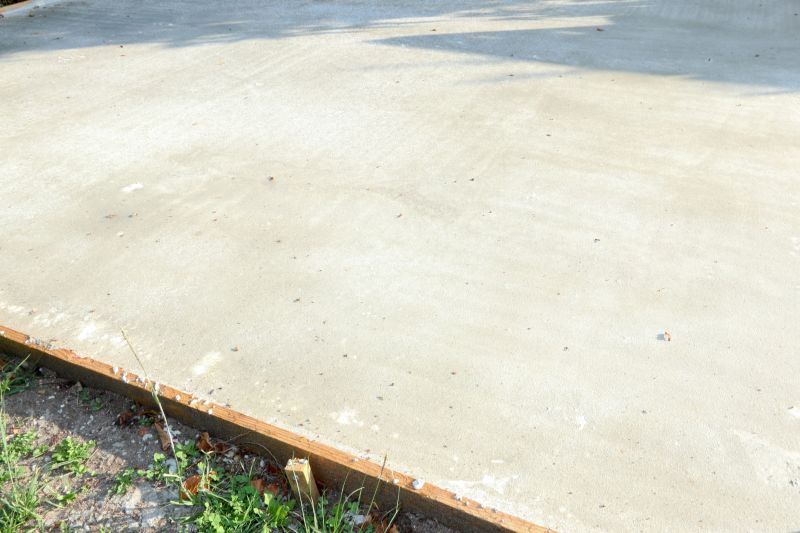
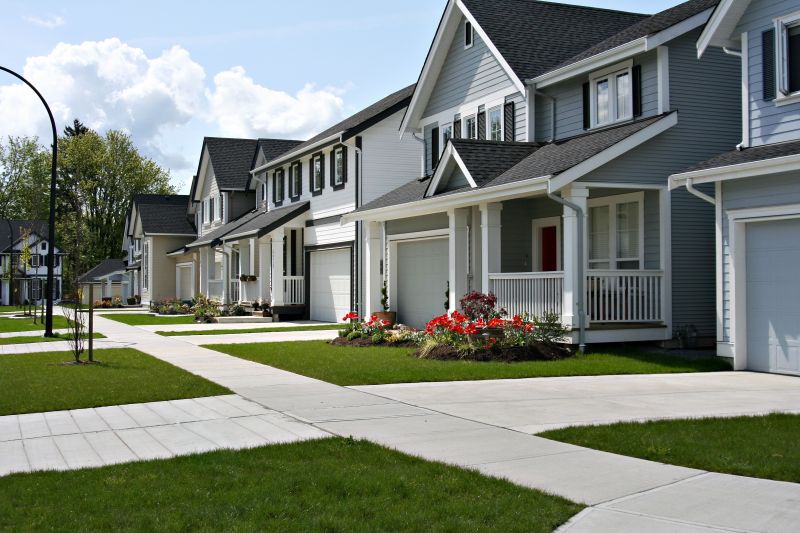
Many property owners notice signs that their sidewalks, driveways, or patios need resurfacing when cracks, uneven surfaces, or surface deterioration become apparent. Over time, regular use and exposure to the elements can cause concrete to develop visible cracks, chips, or spalling, which not only detracts from curb appeal but may also pose safety hazards. When these issues start to appear, it can be a sign that a more extensive repair or resurfacing project is needed to restore the area’s appearance and functionality.
Other common indicators include a surface that feels rough or uneven underfoot, as well as the presence of stains, discoloration, or areas where the surface has begun to sink or settle. These issues can result from underlying soil movement or age-related wear, and addressing them promptly with resurfacing services can help prevent further damage. Local contractors experienced in resurfacing can assess the condition of the concrete and recommend solutions to improve both the look and longevity of sidewalks, driveways, or patios.
What are common signs that sidewalks, driveways, or patios need resurfacing? Visible cracks, uneven surfaces, and significant wear or spalling are typical indicators that these surfaces may require resurfacing services from local contractors.
How can I tell if my driveway or patio has structural damage? Structural damage often presents as large, deep cracks, shifting or sinking sections, and areas where the surface appears to be breaking apart, signaling the need for professional resurfacing.
Are surface imperfections a sign that resurfacing is necessary? Yes, surface imperfections like pitting, scaling, or surface erosion can indicate that the existing material is deteriorating and that resurfacing by local service providers could restore its appearance and functionality.
What role do weather-related issues play in signs for resurfacing? Weather-related damage such as freeze-thaw cracks, fading, and surface spalling can weaken concrete surfaces, making resurfacing services from local contractors a practical solution.
When should I consider resurfacing instead of replacing my sidewalk, driveway, or patio? Resurfacing is advisable when surface damage is primarily cosmetic or superficial, and the underlying structure remains sound, which local pros can evaluate during an inspection.
Cracks and holes - Noticing significant cracks or holes in sidewalks, driveways, or patios can indicate the need for resurfacing services provided by local contractors to restore safety and appearance.
Uneven surfaces - If surfaces feel uneven or have settled over time, resurfacing can help create a smooth, level area suitable for everyday use with assistance from local pros.
Surface discoloration or stains - Persistent discoloration, staining, or fading can be addressed through resurfacing, giving outdoor surfaces a refreshed look with help from local service providers.
Drainage issues or pooling water - Poor drainage leading to water pooling on surfaces may require resurfacing to improve slope and surface integrity, which local contractors can expertly handle.
If you are thinking about signs your sidewalks, driveways, or patios need resurfacing for a property, this guide is meant to help you understand this topic, the typical project types, and how different options might fit your plans.
When you are ready, you can use the quote form on this page to share a few details about your project. From there, local pros can review the basics and follow up with options that match what you have in mind.